

What to Include in a Fleet Preventive Maintenance Schedule: A Comprehensive Guide
Share this:
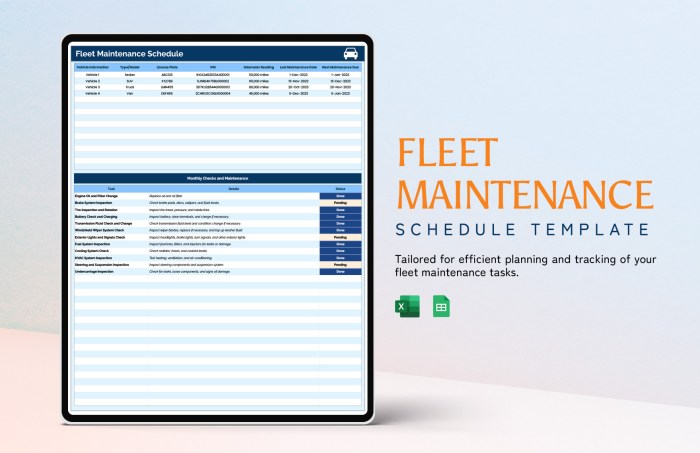
Delving into the realm of Fleet Preventive Maintenance Schedules, this article aims to shed light on the crucial elements that ensure the smooth operation of your vehicles. From routine checks to advanced technologies, we've got you covered.
As we uncover the intricacies of maintenance scheduling, you'll discover the key components and best practices to keep your fleet running at its best.
Importance of Fleet Preventive Maintenance

Regular maintenance is crucial in preventing costly repairs for fleet vehicles. By adhering to a preventive maintenance schedule, fleet managers can identify and address minor issues before they escalate into major problems, saving both time and money in the long run.
Enhancing Vehicle Longevity and Performance
- Regular oil changes and fluid checks can help extend the life of the engine and other vital components.
- Replacing worn-out brake pads and tires can improve safety and overall performance on the road.
- Scheduled inspections of belts, hoses, and filters can prevent breakdowns and keep the vehicle running smoothly.
Early Detection of Potential Issues
- Identifying leaks, unusual noises, or warning lights early on can prevent more significant problems from occurring.
- Checking the battery, spark plugs, and electrical system can avoid unexpected failures and roadside emergencies.
- Monitoring tire pressure and alignment can prevent uneven wear and improve fuel efficiency.
- Oil Changes: Typically, oil should be changed every 5,000 to 7,000 miles, but this can vary based on the type of oil and driving conditions.
- Tire Rotations: Rotating tires every 5,000 to 7,000 miles helps ensure even wear and extends tire life.
- Fluid Checks: Regularly checking and topping up fluids such as coolant, brake fluid, and transmission fluid is essential for optimal vehicle performance.
- Brake Inspections: Brakes should be inspected every 12,000 miles or sooner if any issues are noticed.
- Suspension Checks: Inspecting the suspension system every 20,000 miles helps identify and address any potential issues early on.
- Battery Checks: Checking the battery's health and connections every 6 months ensures reliable starting power.
- Identify the maintenance requirements for each type of vehicle: Different vehicles may have unique maintenance needs based on factors such as mileage, usage patterns, and operating conditions. Tailor the checklist to address these specific requirements.
- Include vehicle-specific components: Ensure that the checklist includes items that are specific to each type of vehicle, such as engine type, transmission, brakes, suspension, and electrical systems.
- Consider the age and condition of the vehicle: Older vehicles may require more frequent maintenance and inspections compared to newer ones. Adjust the checklist accordingly to account for the age and condition of each vehicle.
- Consult with vehicle manufacturers: Refer to the maintenance guidelines provided by the manufacturers of the vehicles in your fleet. Incorporate their recommendations into the checklist to ensure comprehensive coverage.
- Track maintenance history: Documenting maintenance activities allows you to track the history of repairs, inspections, and replacements performed on each vehicle. This information can help in identifying recurring issues and developing preventive measures.
- Compliance with regulations: Proper documentation is necessary to demonstrate compliance with regulatory requirements related to fleet maintenance. It also enables you to provide proof of maintenance activities during audits or inspections.
- Facilitate decision-making: Detailed records of maintenance activities provide valuable insights for making informed decisions regarding fleet management, budget allocation, and resource planning.
- Audit trails: Documentation serves as an audit trail that can be referenced in case of disputes, warranty claims, or insurance purposes. It provides a transparent record of all maintenance activities carried out on the vehicles.
- Automating maintenance reminders and scheduling
- Tracking maintenance costs and performance
- Generating reports and analytics for informed decision-making
- Early detection of maintenance issues
- Optimized maintenance intervals for increased efficiency
- Improved vehicle reliability and safety
- Real-time monitoring of vehicle condition
- Data-driven decision-making for maintenance planning
- Cost savings through efficient maintenance practices
- Regular training sessions help maintenance staff stay updated on the latest maintenance techniques and technologies.
- Enhanced skills through education can result in quicker diagnosis of issues and more efficient maintenance processes.
- Training promotes a culture of continuous improvement within the maintenance team, fostering a proactive approach to maintenance rather than reactive.
- Workshops on preventive maintenance best practices, focusing on inspection techniques and maintenance procedures.
- Certification programs for specific equipment or systems commonly used in the fleet, ensuring expertise in handling maintenance tasks.
- Online courses on new technologies and software tools that can streamline maintenance scheduling and tracking processes.
Components of a Fleet Preventive Maintenance Schedule
Implementing a comprehensive preventive maintenance schedule for your fleet is crucial to ensure the longevity and efficiency of your vehicles. Here are key components that should be included:
Regular Maintenance Tasks
Periodic Inspections
Prioritizing Maintenance Tasks
When prioritizing maintenance tasks for your fleet, consider factors such as vehicle usage and age. Vehicles that cover more miles or are older may require more frequent maintenance. Additionally, prioritize tasks that affect safety and drivability, such as brake inspections and tire rotations, to ensure the well-being of your drivers and the longevity of your vehicles.
Setting Up a Preventive Maintenance Checklist
Creating a detailed checklist for preventive maintenance is crucial to ensure the smooth operation of a fleet. It helps in identifying potential issues early on and scheduling timely maintenance tasks. Here is a step-by-step guide on how to set up an effective preventive maintenance checklist:
Tailoring the Checklist to Different Types of Vehicles
When creating a preventive maintenance checklist, it is essential to tailor it according to the specific requirements of different types of vehicles within your fleet. Here are some key points to consider:
Importance of Documentation and Record-Keeping
Effective documentation and record-keeping are essential for tracking maintenance activities and ensuring compliance with maintenance schedules. Here are some reasons why documentation is crucial:
Incorporating Technology in Maintenance Scheduling
Technology plays a crucial role in modern fleet maintenance scheduling, offering various tools and solutions to improve efficiency and reduce downtime. One of the key technologies used in this area is fleet management software, which helps streamline maintenance schedules and keep track of all vehicles in the fleet.
The Role of Fleet Management Software
Fleet management software provides a centralized platform for managing all aspects of fleet maintenance, including scheduling, work orders, and maintenance history. By automating these processes, it helps fleet managers optimize maintenance schedules, prioritize tasks, and ensure timely servicing of vehicles.
Benefits of Telematics for Predictive Maintenance
Telematics technology enables real-time monitoring of vehicle performance and health, allowing for predictive maintenance based on actual usage and condition. By analyzing data from sensors and onboard diagnostics, fleet managers can proactively address potential issues before they escalate, reducing unplanned downtime and costly repairs.
Optimizing Maintenance Intervals with Sensors and Data Analytics
Sensors installed in vehicles can collect data on various parameters like engine performance, fuel consumption, and tire pressure. This data, when analyzed using advanced analytics tools, can provide valuable insights into vehicle health and usage patterns. By leveraging this information, fleet managers can optimize maintenance intervals, reduce unnecessary servicing, and extend the lifespan of their vehicles.
Training and Education for Maintenance Staff
Providing training and resources to maintenance personnel is crucial for ensuring the efficiency and effectiveness of preventive maintenance practices within a fleet. Ongoing education plays a significant role in enhancing the skills and knowledge of maintenance staff, leading to better maintenance practices and overall fleet performance.
Importance of Ongoing Education
Examples of Training Programs
Ultimate Conclusion
In conclusion, a well-crafted preventive maintenance schedule is the cornerstone of a successful fleet management strategy. By following the guidelines Artikeld here, you can ensure optimal performance, longevity, and cost-effectiveness for your vehicles.
Commonly Asked Questions
How often should I conduct oil changes in a fleet preventive maintenance schedule?
Oil changes should typically be done every 3,000 to 5,000 miles, but this can vary based on the type of vehicles and their usage.
What is the role of telematics in preventive maintenance for fleets?
Telematics can help in predicting maintenance needs by monitoring vehicle performance and alerting when issues arise, leading to proactive maintenance.
Why is it important to document maintenance activities in a fleet preventive maintenance schedule?
Documentation is crucial for tracking maintenance history, identifying trends, and ensuring that all necessary tasks are completed on time.